Nale Electric is willing to work together with domestic and foreign merchants to create brilliance!


| Quantity: | |
[ Section Alpha: Resolving Spatial Constraints in Decentralized Distribution Networks ]
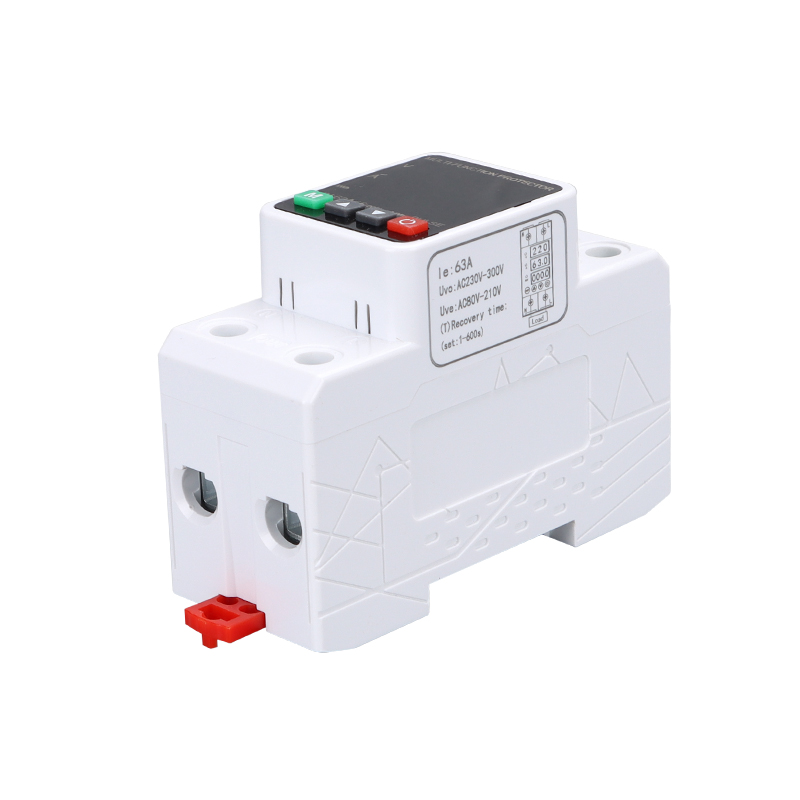
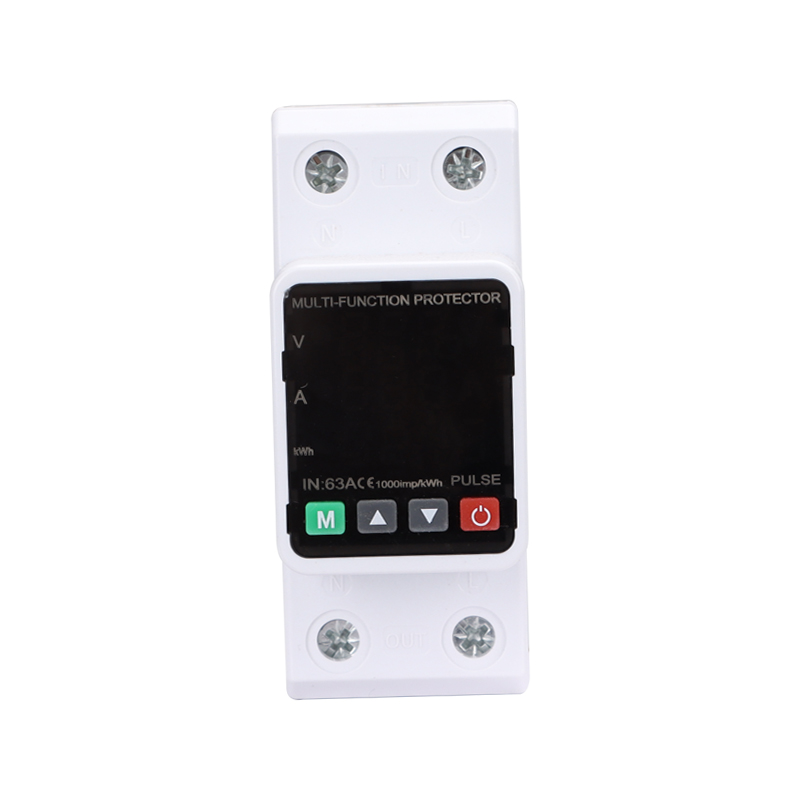
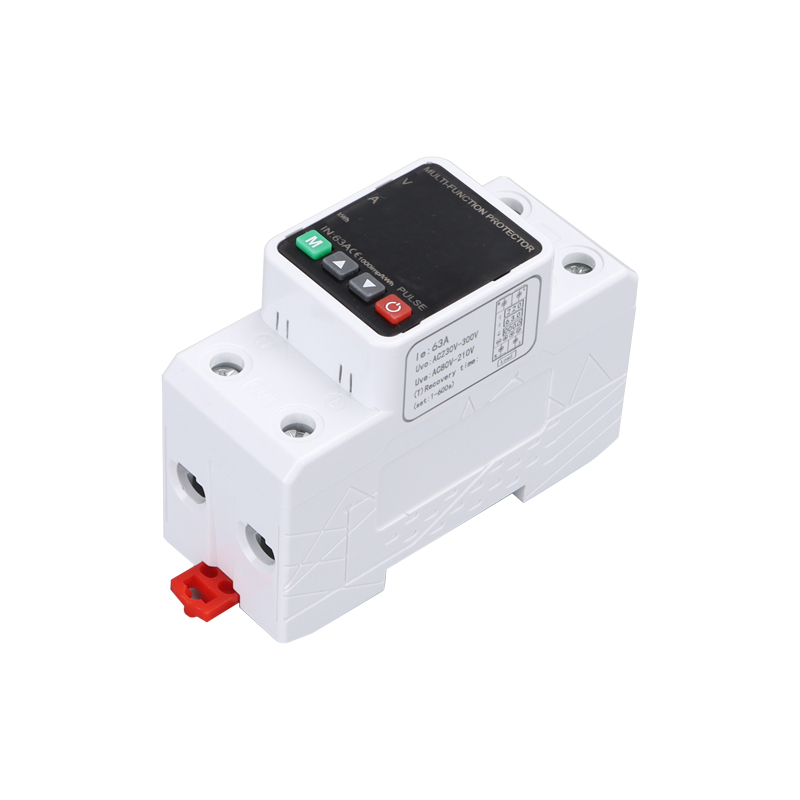
The architectural methodology surrounding the fabrication of secondary distribution panels, tenant billing enclosures, and localized solar inverter combiners is currently experiencing a severe structural bottleneck. Procurement directors and lead mechanical designers at global switchgear assembly plants are consistently pressured by municipal utility operators to integrate more sophisticated diagnostic and protective hardware into progressively smaller steel or polycarbonate enclosures. Historically, equipping a commercial sub-panel with both voltage fluctuation defense and energy consumption tracking necessitated the procurement and installation of two distinct components: a dedicated over/under-voltage relay and a separate kilowatt-hour meter. This fragmented approach invariably devours critical lateral space upon the DIN rail, vastly complicates the internal wire routing matrix, and artificially inflates the aggregate assembly labor hours. The engineering deployment of the CHNAILE Multi-Function Protector is deliberately calculated to eradicate this specific manufacturing friction. A meticulous review of the device’s digital fascia reveals a unified tri-metric monitoring system, clearly designating real-time readouts for Voltage (V), Amperage (A), and cumulative energy consumption (kWh). By consolidating these previously disparate functions into a singular, highly compact modular chassis, enclosure fabricators can radically streamline their panel designs. Your assembly technicians are no longer required to execute complex daisy-chain wiring between a relay and a meter; the clearly marked, high-torque 'IN' and 'OUT' terminals located at the top and bottom of the unit facilitate a rapid, straight-through vertical wiring process, dramatically accelerating factory-floor throughput and yielding a significantly cleaner, more professional internal panel aesthetic.

[ Section Beta: Telemetry Integration and Dynamic Load Management ]
Beyond the profound mechanical and spatial advantages, modern national grid projects and commercial smart-building deployments mandate that localized power panels possess the capability to communicate with broader Energy Management Systems (EMS). Analyzing the intricate typographic details imprinted beneath the primary LCD matrix of the CHNAILE unit reveals a critical specification: "1000imp/kWh PULSE." For a systems integration engineer, this seemingly minor designation unlocks massive architectural potential. It signifies that this protective device is equipped with an integrated optocoupler pulse output, actively generating a measurable signal for every watt-hour of energy consumed by the downstream circuit. This hardwired telemetry output allows switchgear manufacturers to seamlessly tether this local protector to centralized Programmable Logic Controllers (PLCs) or external data loggers without requiring costly, proprietary communication gateways. Concurrently, the device fulfills its primary mandate as an unyielding defensive barrier. Utilizing the tactile green 'M' (Menu) button and directional navigation keys, facility commissioning engineers can digitally sculpt precise tripping thresholds for overvoltage, undervoltage, and overcurrent anomalies up to a formidable 63 Amperes. When erratic municipal grid fluctuations threaten to destroy sensitive downstream solar inverters or costly commercial HVAC compressors, the internal heavy-duty relay severs the connection instantaneously, autonomously restoring power only when absolute grid stability is verified, thereby minimizing disruptive truck rolls for your end-user clients.
[ Section Gamma: Executing Brand Sovereignty via Automated Customization ]
While the electro-mechanical consolidation of protection and metering provides an undeniable baseline for government utility contracts, securing long-term dominance in the highly competitive B2B switchgear sector requires an aggressive strategy regarding corporate brand differentiation. Relying on fragmented networks of international wholesale distributors inevitably forces panel builders to populate their proprietary enclosures with generic, visually disparate components that dilute their manufacturing prestige. The CHNAILE manufacturing mandate is explicitly structured to dismantle this supply chain vulnerability by operating as your highly elastic, direct-to-factory production engine. We recognize that elite panel builders do not merely construct electrical boxes; they cultivate proprietary engineering brands. Therefore, we push parametric scalability into the realm of absolute aesthetic sovereignty. Should your corporate design guidelines or a specific national grid tender require the polymer housing to be injection-molded in a proprietary brand color, or if you require the digital LCD digits to illuminate in a specific hue to align with your corporate identity, our automated facilities will precisely execute those visual directives.
Guaranteeing this immense level of personalized customization whilst ensuring absolute electrical measurement fidelity requires the complete abandonment of outdated manual labor. The complex digital logic boards and the calibration of the internal current-sensing shunts within these multi-function devices are executed exclusively by our state-of-the-art smart automated assembly lines, ensuring sub-millimeter robotic precision. Subsequently, prior to receiving international export clearance, every custom-ordered unit must navigate a rigorous gauntlet of computerized smart inspection equipment. These digital testing matrices subject the protectors to simulated high-voltage transients and precise energy metering accuracy audits, capturing real-time telemetry to verify exact performance against strict international baselines. We seamlessly handle private-label branding, laser-engraving your corporate insignia directly onto the chassis, and designing bespoke retail and bulk packaging boxes to integrate flawlessly into your localized assembly line logistics. We actively encourage procurement executives, chief panel designers, and switchboard fabricators seeking to eradicate generic component sourcing to initiate a direct, highly technical dialogue with our customized production liaisons via WhatsApp at +86 15985210820. Partner directly with our smart factory to engineer absolute power resilience, aggressive BOM optimization, and unparalleled proprietary branding into your global distribution boards.