Nale Electric is willing to work together with domestic and foreign merchants to create brilliance!

Views: 0 Author: Site Editor Publish Time: 2025-11-15 Origin: Site
In the realm of industrial power distribution, the choice of circuit breakers plays a pivotal role in ensuring safety, reliability, and efficiency. Two of the most commonly used types of circuit breakers are the Air Circuit Breaker (ACB) and the Molded Case Circuit Breaker (MCCB). Each of these devices has its own set of features, advantages, and applications, making the decision between them a critical one for engineers and facility managers. This article delves into the comparative analysis of ACB vs MCCB, examining their suitability for intelligent industrial power distribution systems. For a deeper understanding of these products, you can explore our Molded Case Circuit Breaker offerings.
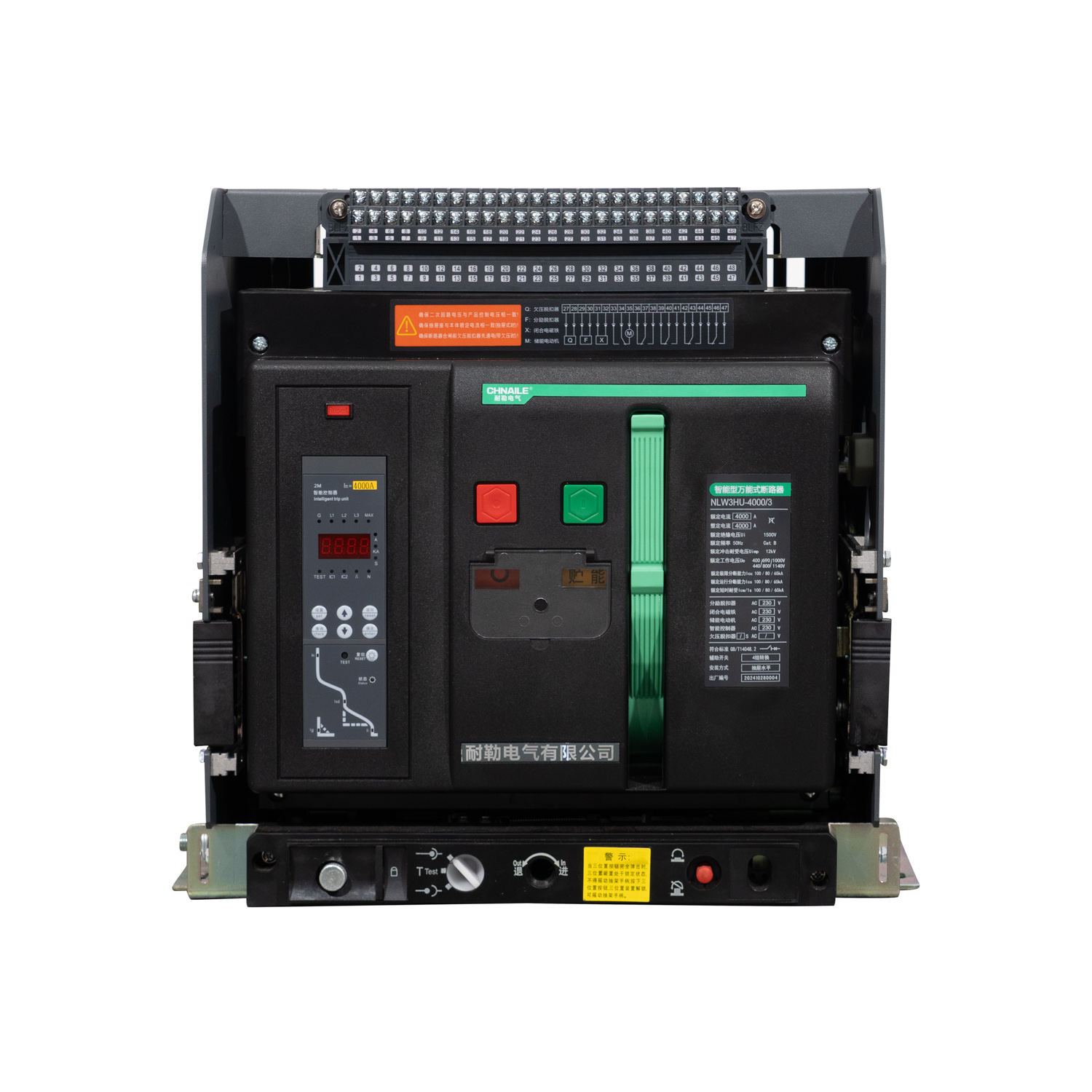
Air Circuit Breakers (ACBs) are widely used in industrial settings due to their ability to handle high current loads and provide reliable protection against overloads and short circuits. ACBs operate by using air as the arc extinguishing medium, which is effective in breaking high current circuits. They are typically employed in low voltage applications and are known for their robustness and longevity.
One of the key advantages of ACBs is their capability to be integrated into intelligent control systems. This integration allows for remote monitoring and control, which is essential in modern industrial environments where automation and data analytics play a significant role. ACBs can be equipped with sensors and communication modules that enable real-time data collection and analysis, facilitating predictive maintenance and reducing downtime.
Furthermore, ACBs offer flexibility in terms of installation and maintenance. They can be easily retrofitted into existing systems, making them a cost-effective solution for upgrading industrial power distribution networks. The ability to customize settings such as trip characteristics and delay times also adds to their appeal, allowing for tailored protection strategies that meet specific operational requirements.
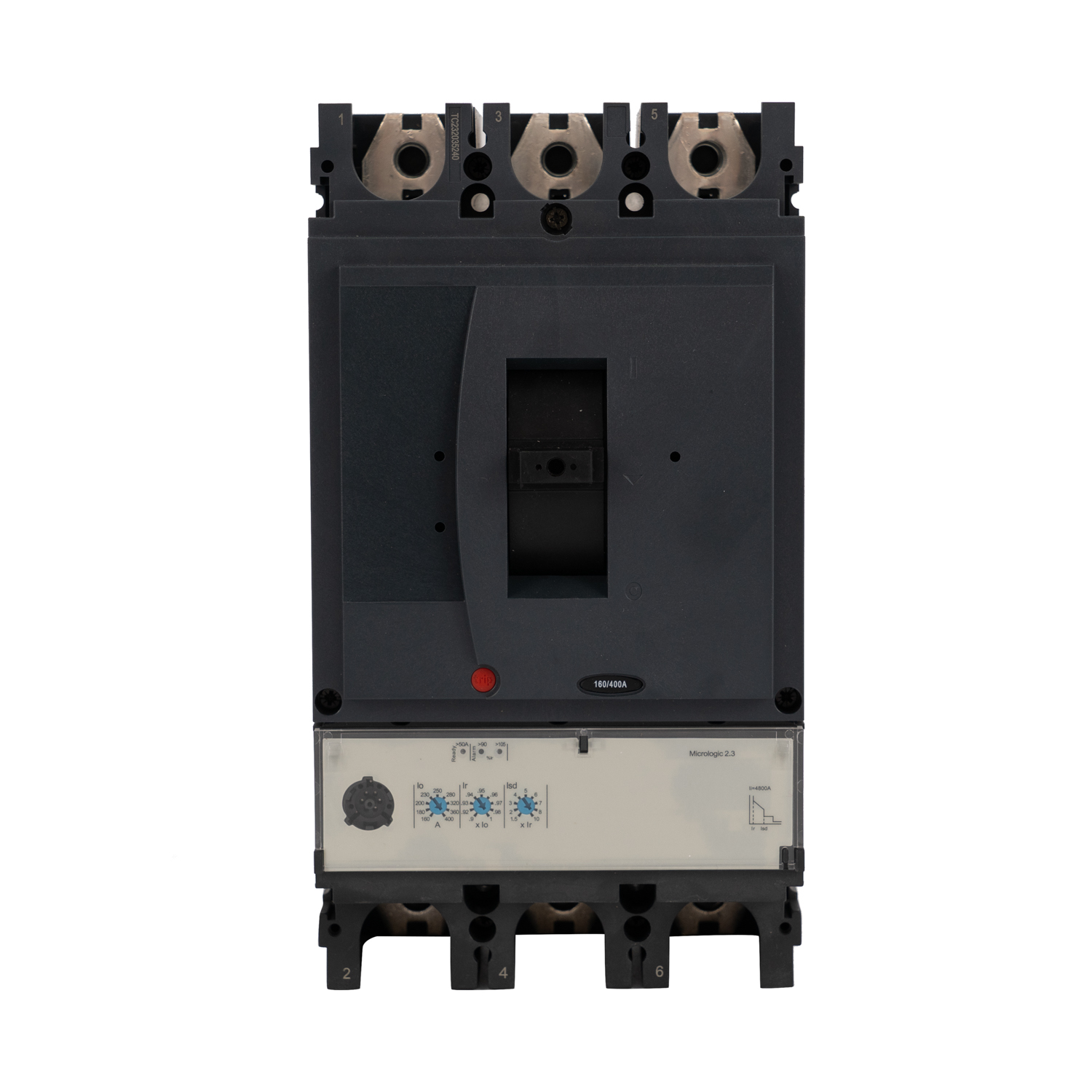
Molded Case Circuit Breakers (MCCBs) are another popular choice in industrial power distribution. They are designed to provide protection by automatically disconnecting the circuit when an overload or short circuit is detected. MCCBs are known for their compact size and versatility, making them suitable for a wide range of applications.
One of the primary benefits of MCCBs is their ability to handle a broad spectrum of current ratings, from low to high, which makes them ideal for both small and large-scale industrial applications. MCCBs are also equipped with adjustable trip settings, allowing for precise control over the protection parameters. This feature is particularly useful in environments where load conditions can vary significantly.
In terms of intelligent control, MCCBs can be integrated with advanced monitoring systems that provide real-time insights into the electrical network's performance. This integration supports energy management initiatives by identifying inefficiencies and enabling targeted interventions to optimize power usage. For more information on how MCCBs can enhance your industrial power distribution, visit our Intelligent Control solutions.
When comparing ACBs and MCCBs, several factors must be considered, including application, cost, maintenance, and intelligent control capabilities. ACBs are typically favored in scenarios where high current capacity and robust protection are required. Their ability to integrate with intelligent systems makes them suitable for large-scale industrial operations where automation is a priority.
On the other hand, MCCBs offer a more compact and versatile solution, which is advantageous in settings where space is limited or where a wide range of current ratings is needed. The adjustability of MCCBs provides a level of customization that can be beneficial in dynamic industrial environments. Additionally, the cost of MCCBs is generally lower than that of ACBs, making them a more economical choice for smaller installations.
In terms of maintenance, ACBs require more frequent inspections and servicing due to their complex design and the use of air as the arc extinguishing medium. MCCBs, with their simpler construction, tend to have lower maintenance requirements, which can translate to reduced operational costs over time.
The integration of intelligent control systems in industrial power distribution is a growing trend, driven by the need for increased efficiency, reliability, and safety. Both ACBs and MCCBs can be equipped with smart technologies that enable real-time monitoring, remote control, and data analytics. These capabilities are essential for optimizing power usage, predicting equipment failures, and minimizing downtime.
Intelligent control systems utilize sensors and communication networks to collect data on various parameters such as current, voltage, and temperature. This data is then analyzed to provide insights into the performance of the electrical network, allowing for proactive maintenance and informed decision-making. The ability to remotely control circuit breakers also enhances operational flexibility, enabling quick responses to changing load conditions or fault scenarios.
For industries looking to implement intelligent control in their power distribution systems, the choice between ACBs and MCCBs will depend on the specific requirements of the application. ACBs may be more suitable for large-scale operations with high current demands, while MCCBs offer a more adaptable solution for diverse applications. Explore our range of Industrial power distribution solutions to find the right fit for your needs.
In conclusion, the decision between Air Circuit Breakers and Molded Case Circuit Breakers for intelligent industrial power distribution hinges on various factors, including the scale of the operation, budget constraints, and specific application requirements. ACBs provide robust protection and are well-suited for high-capacity installations, while MCCBs offer versatility and cost-effectiveness for a wide range of applications. Both types of circuit breakers can be integrated with intelligent control systems, enhancing their functionality and supporting the goals of modern industrial power management. To explore more about these technologies, visit our Air circuit breaker section.


